A combo meal looks like a modern convenience, a main dish, a side and a drink bundled together, but the idea is considerably older than the plastic tray it is usually served on. Its closest ancestor, the "blue plate special", goes back almost to the diner itself.
Where "blue plate special" actually comes from
Nobody has fully settled the origin of the phrase, and that is part of its charm. One strand of the story ties it to Fred Harvey's Harvey House restaurants, which served rail travellers from the 1890s onward on divided plates that were sometimes called "blue plates". Another points to Blue Willow-pattern china used on early railroad dining cars. The earliest solid printed evidence researchers have found dates to October 1915, in advertising for the Seaboard Air Line Railway's dining cars, and the term was common in American newspapers by the mid-1920s. Whichever story is closest to true, by the time it reached diners and lunch counters the meaning had settled: a fixed, low-priced plate, usually a protein with two or three sides, chosen by the kitchen rather than built item by item, and often served on a plate with ready-made divisions between the sections.
Why the format took off in the Depression
The blue plate special became a genuine institution during the 1930s. A tight household budget made a single, fixed-price plate with a generous portion of meat and vegetables an easy sell, and diners leaned on it heavily because it let a kitchen plan one or two big batches of food each day instead of cooking to order for every table. It also gave regulars a reason to come back daily, since the special usually changed with the day of the week, a rhythm some diners kept going well into the second half of the twentieth century even as the exact term slowly faded from use.
From blue plate to combo meal
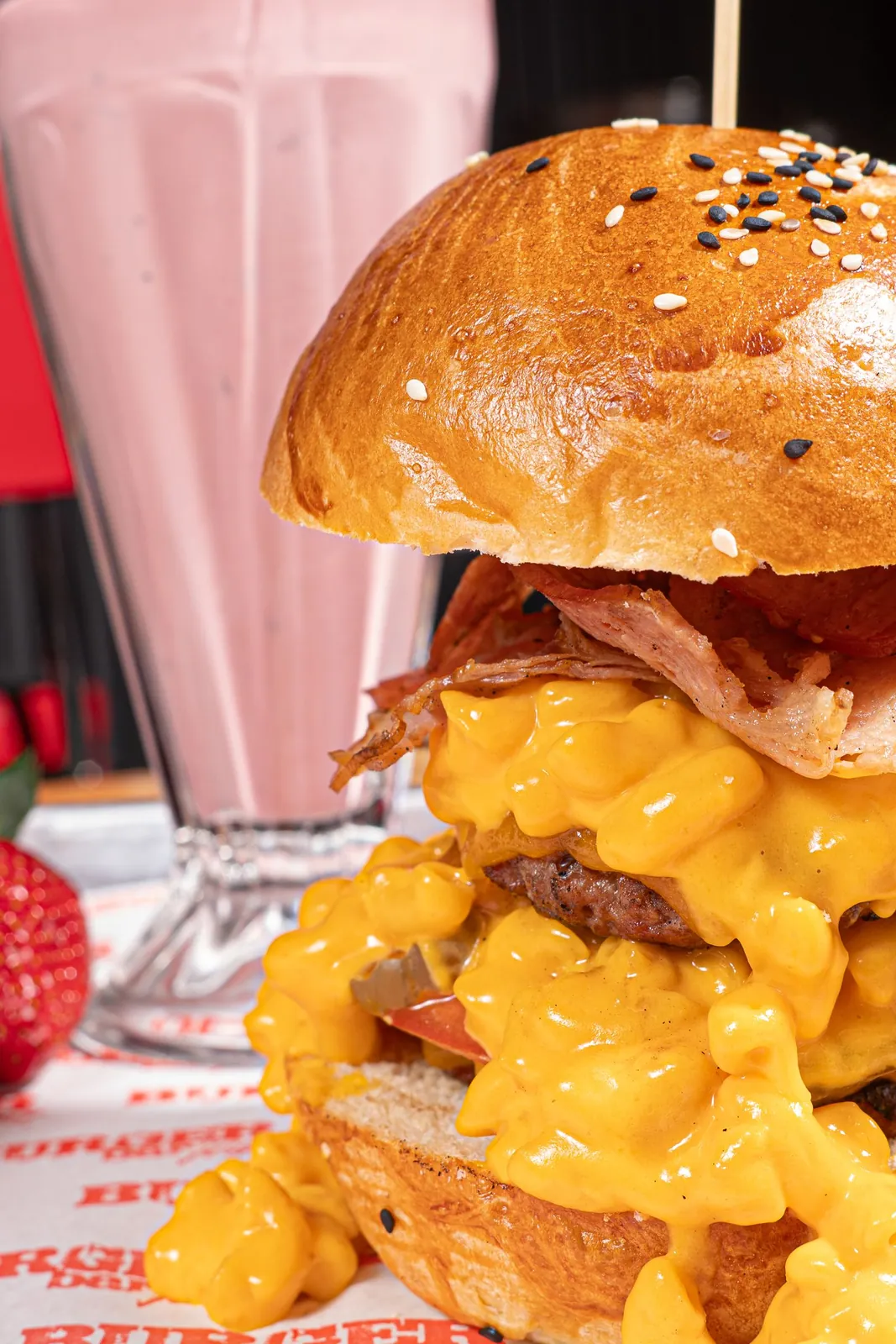
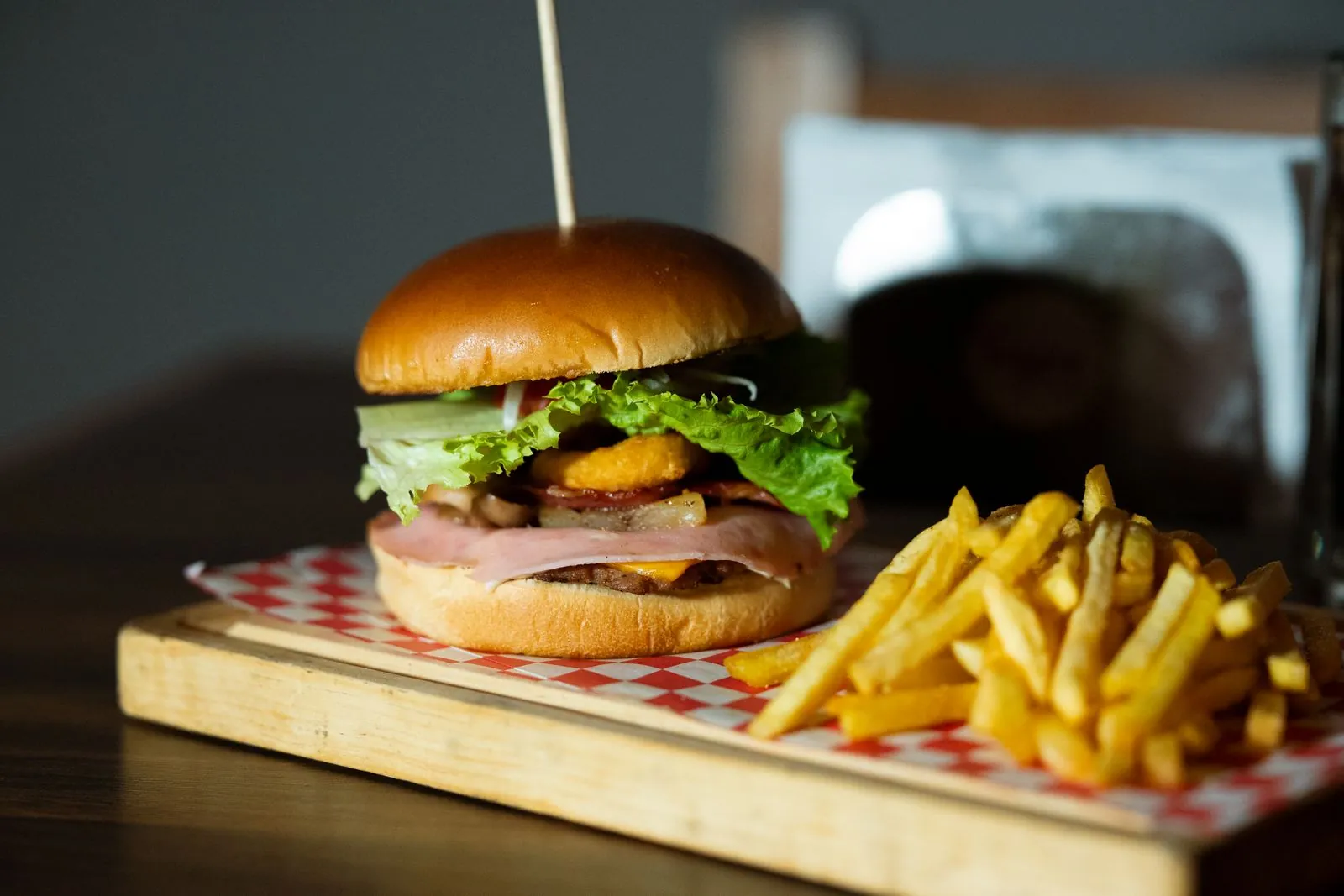
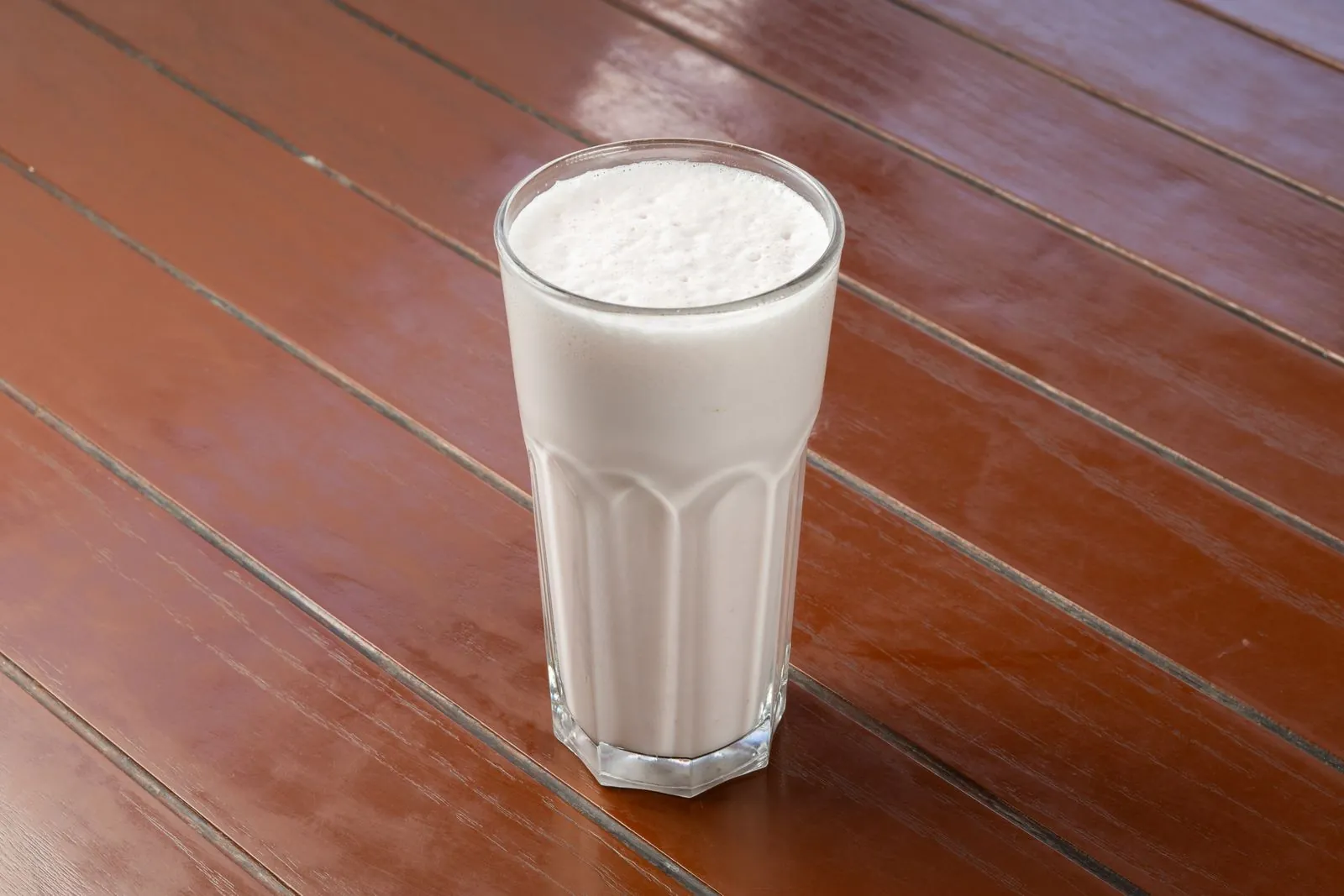
The modern combo meal is a direct descendant of that same logic, bundling a main with a side and a drink at a set price, even if the fixed "special of the day" idea has mostly given way to a menu of standing combo options. A diner combo board usually pairs a burger with fries and a drink as the baseline, then builds upward with bigger mains or extra sides layered on top.
Reading a combo board
| What to check | Why it matters |
|---|---|
| What the side defaults to | Combos usually have one standard side with substitutions costing extra |
| Whether the drink is included or optional | Some combos price the drink in, others let you add one |
| Portion size versus ordering items separately | A combo is rarely just a discount, it is usually a smaller main paired with sides |
Whether you call it a blue plate special or a combo, the appeal has not changed much in a hundred years: one simple decision gets you a complete plate, and whatever is left to choose, usually the drink, is the only decision left to make.
When a combo is worth it
A combo is not automatically the better order just because it looks like a package deal. It makes the most sense when you already want the side and the drink that come with it, since swapping either one out usually costs extra and can close the gap with ordering everything separately. Where a combo earns its keep is speed and simplicity: one line on the menu gets a full plate to the table, which is exactly the problem the blue plate special was built to solve in the first place, long before anyone called it a combo.