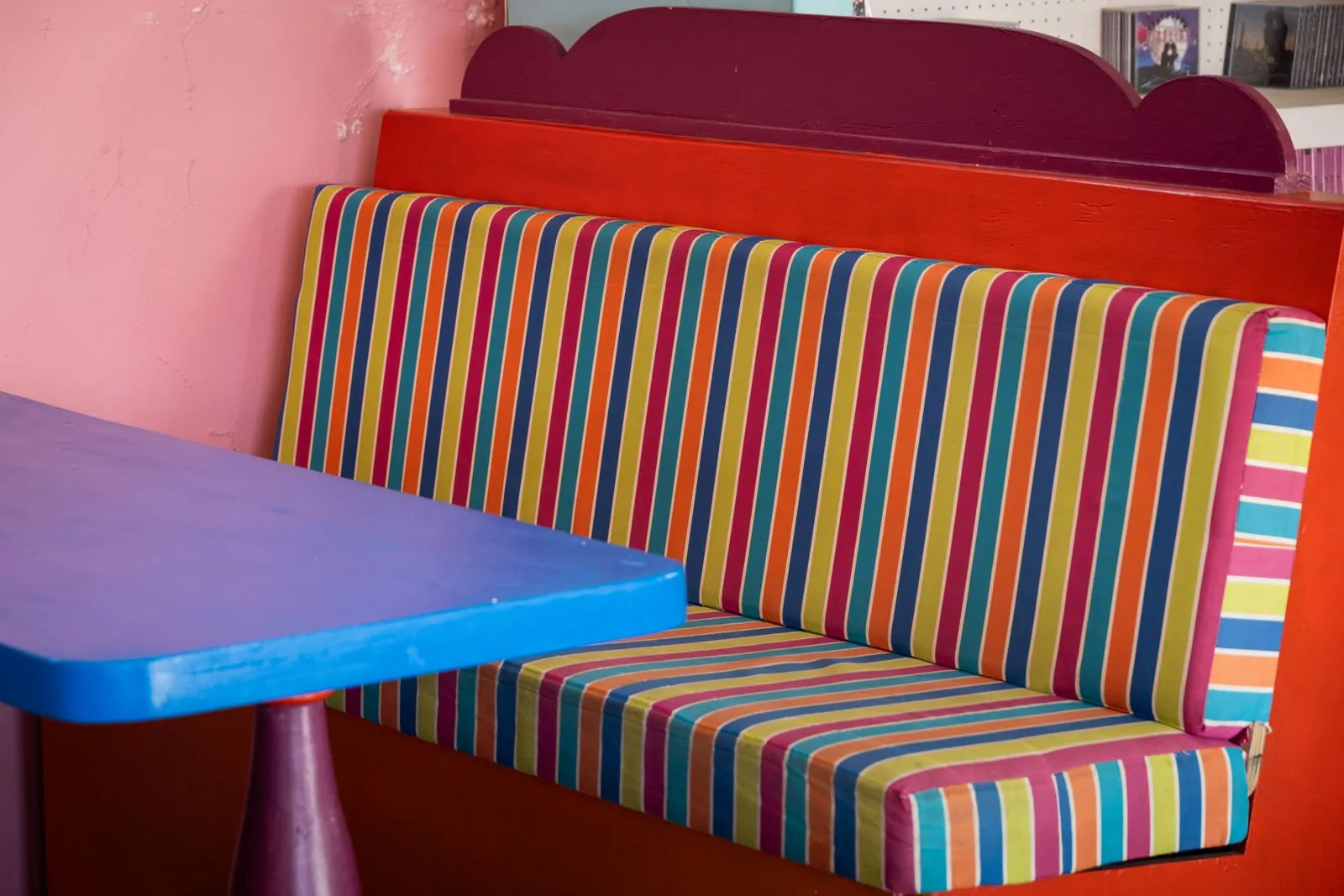
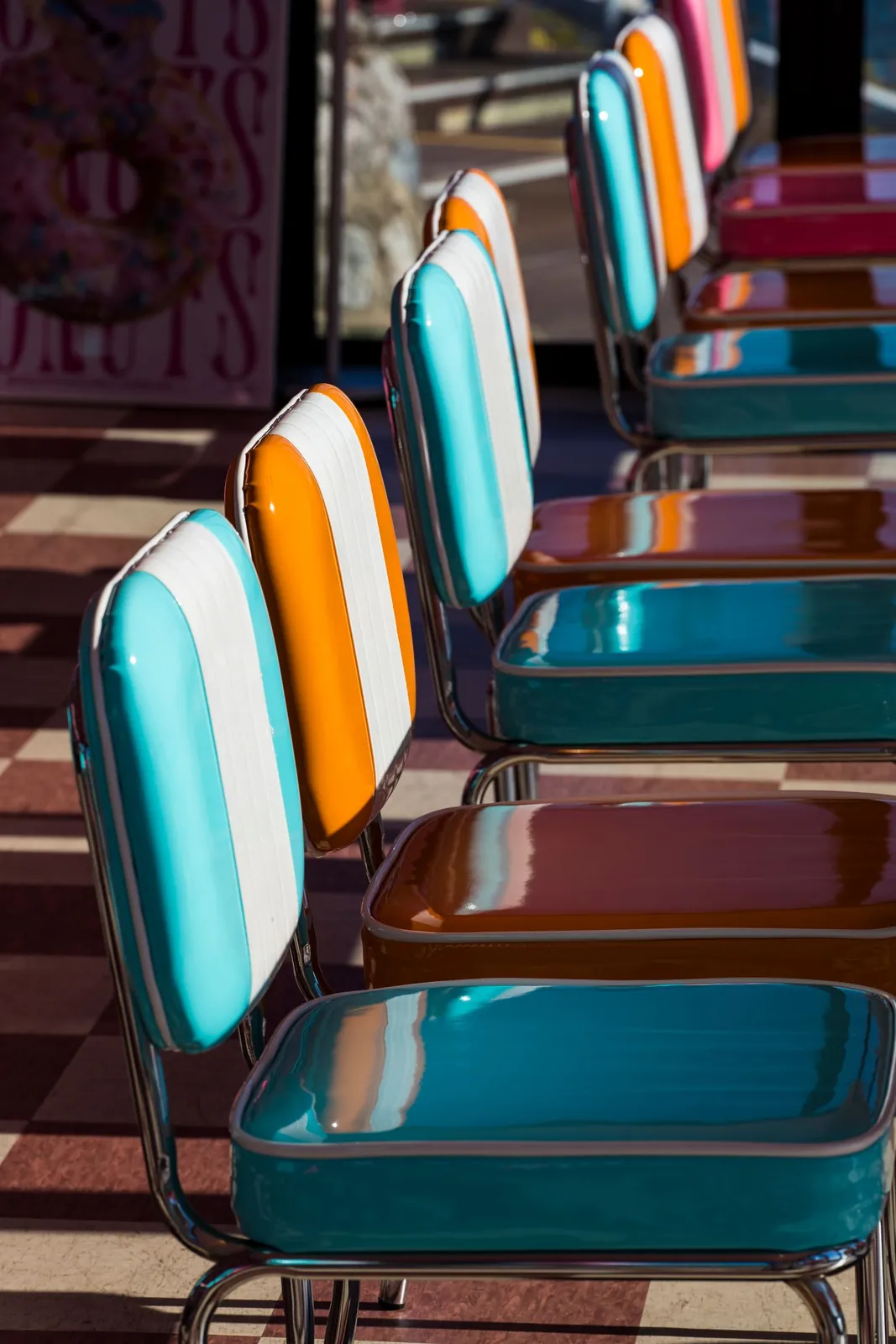
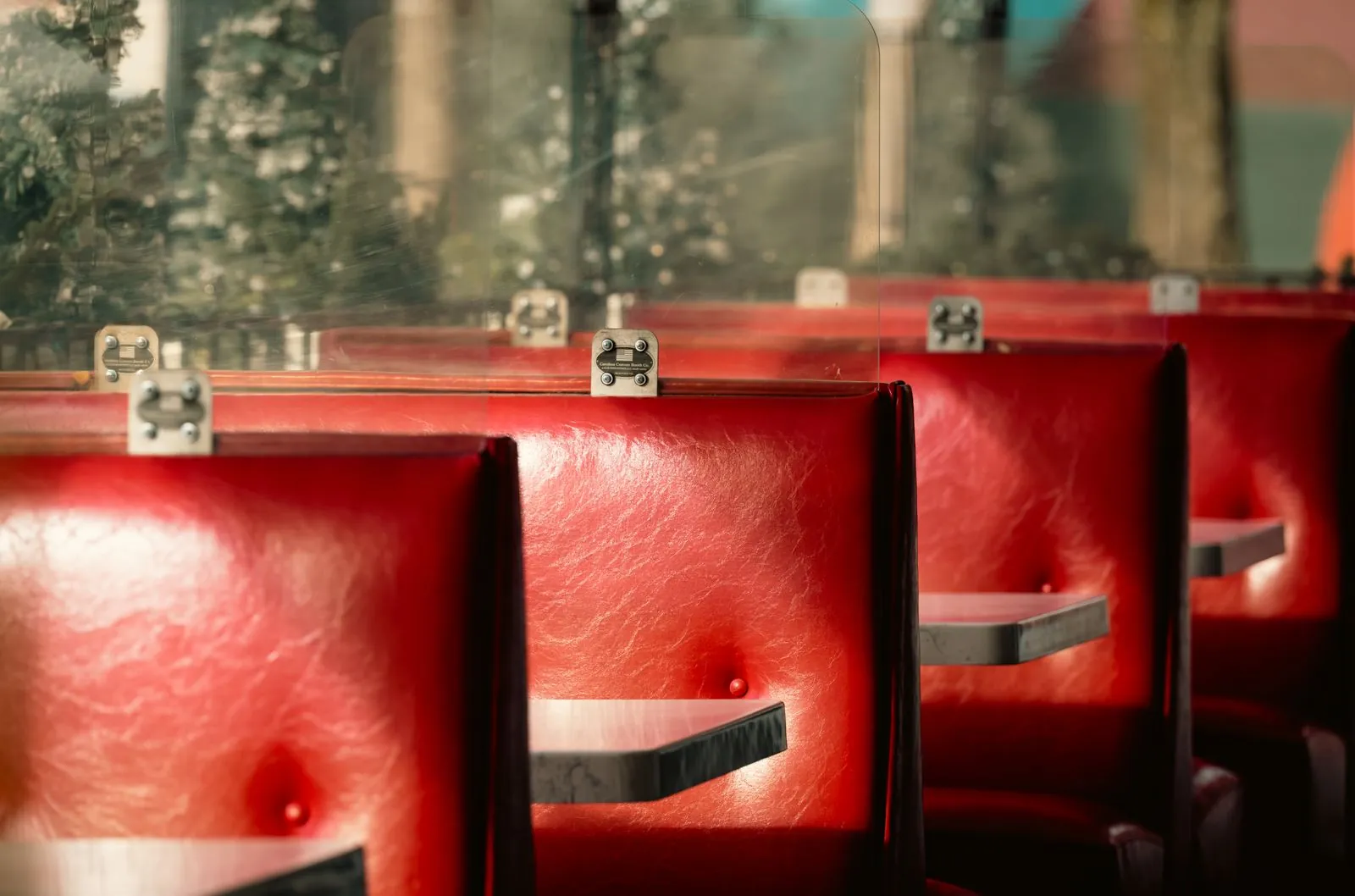
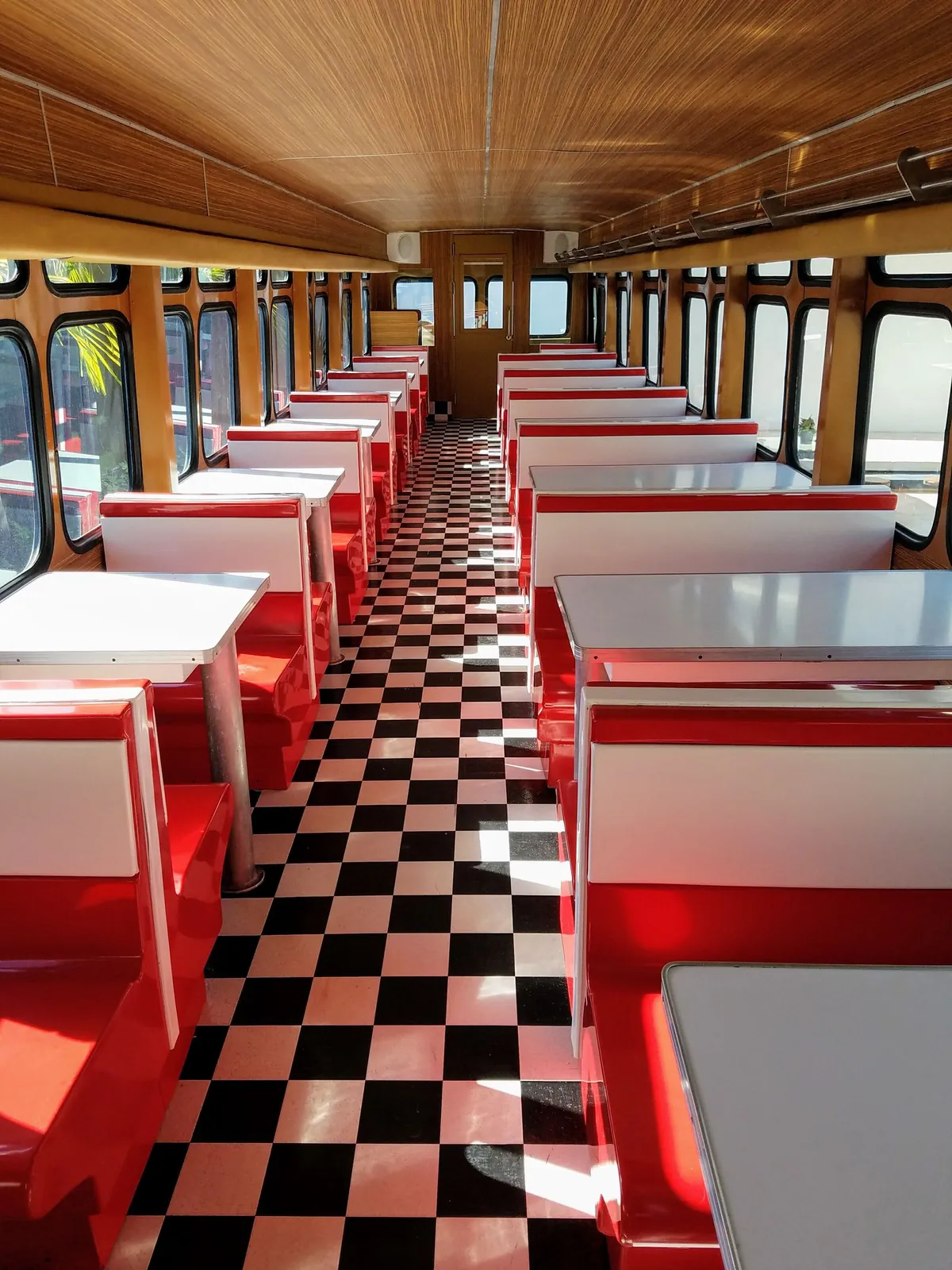
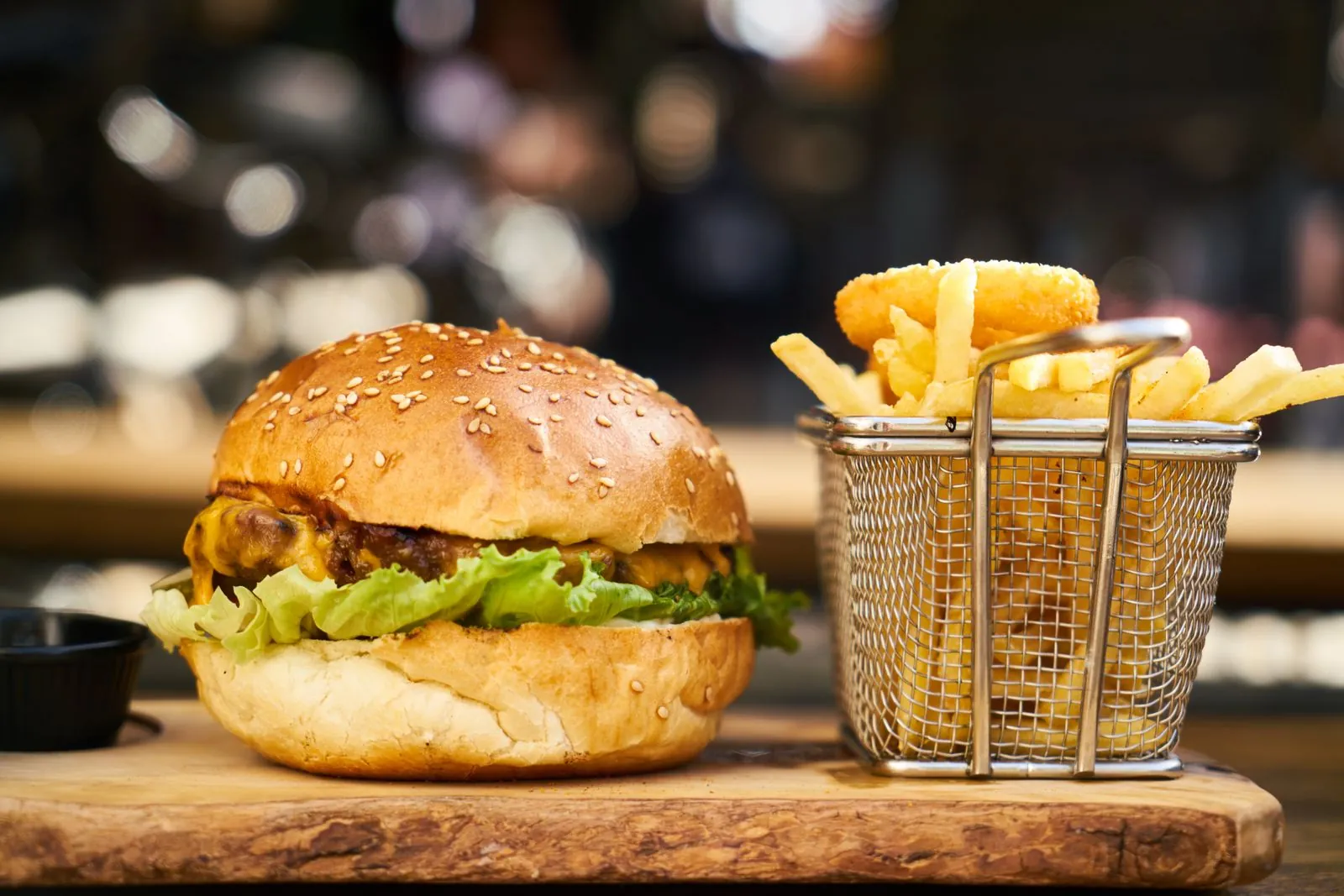
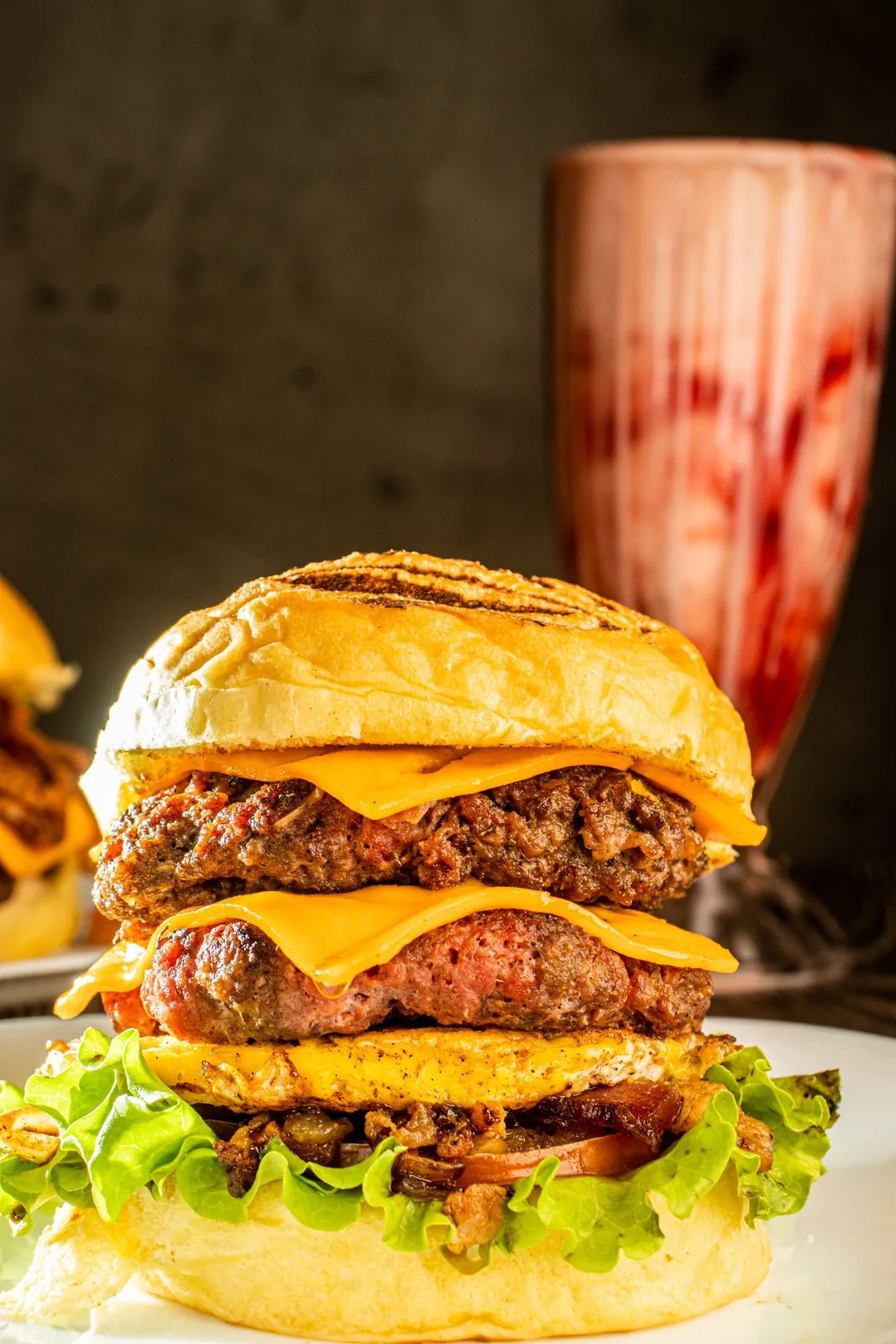
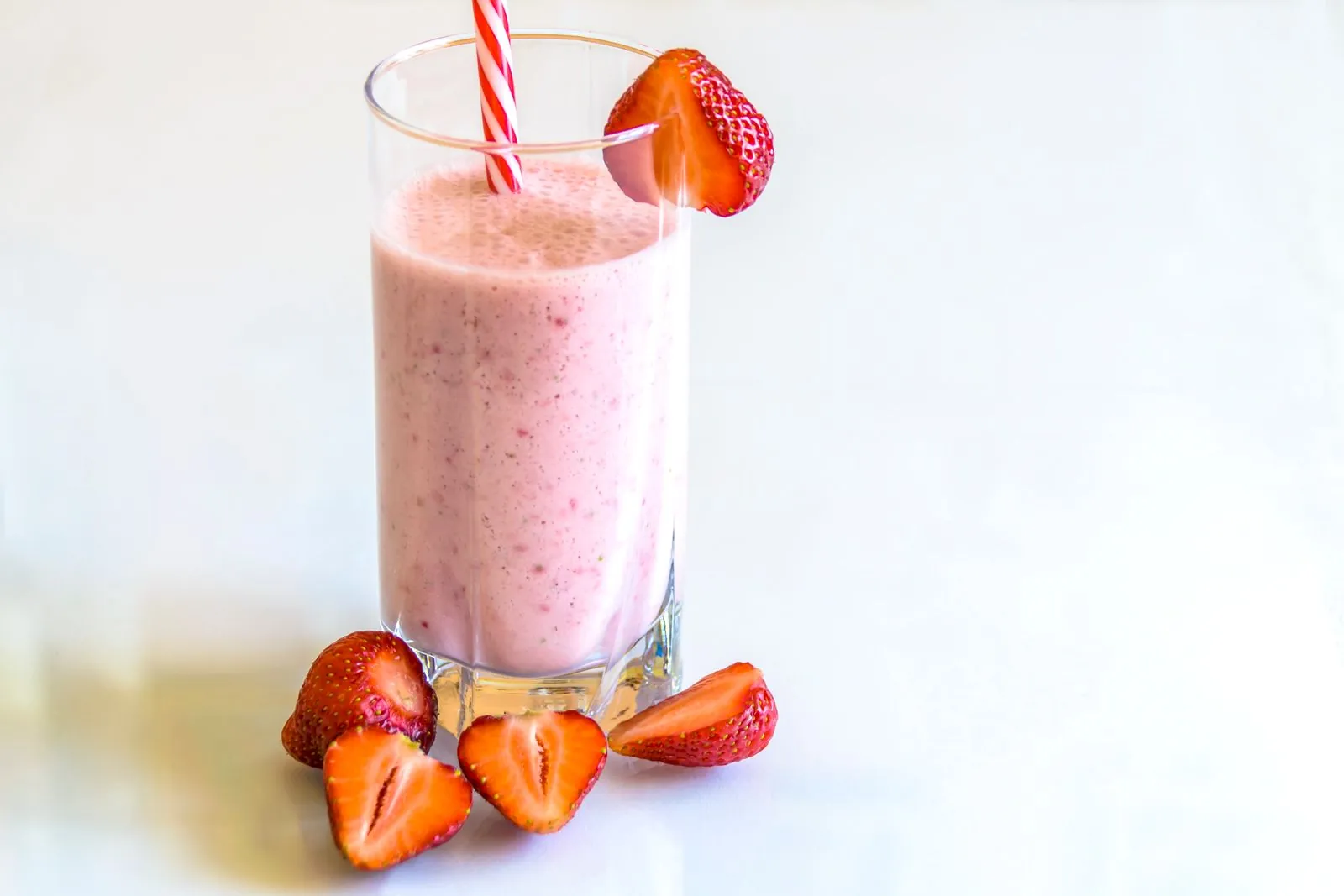
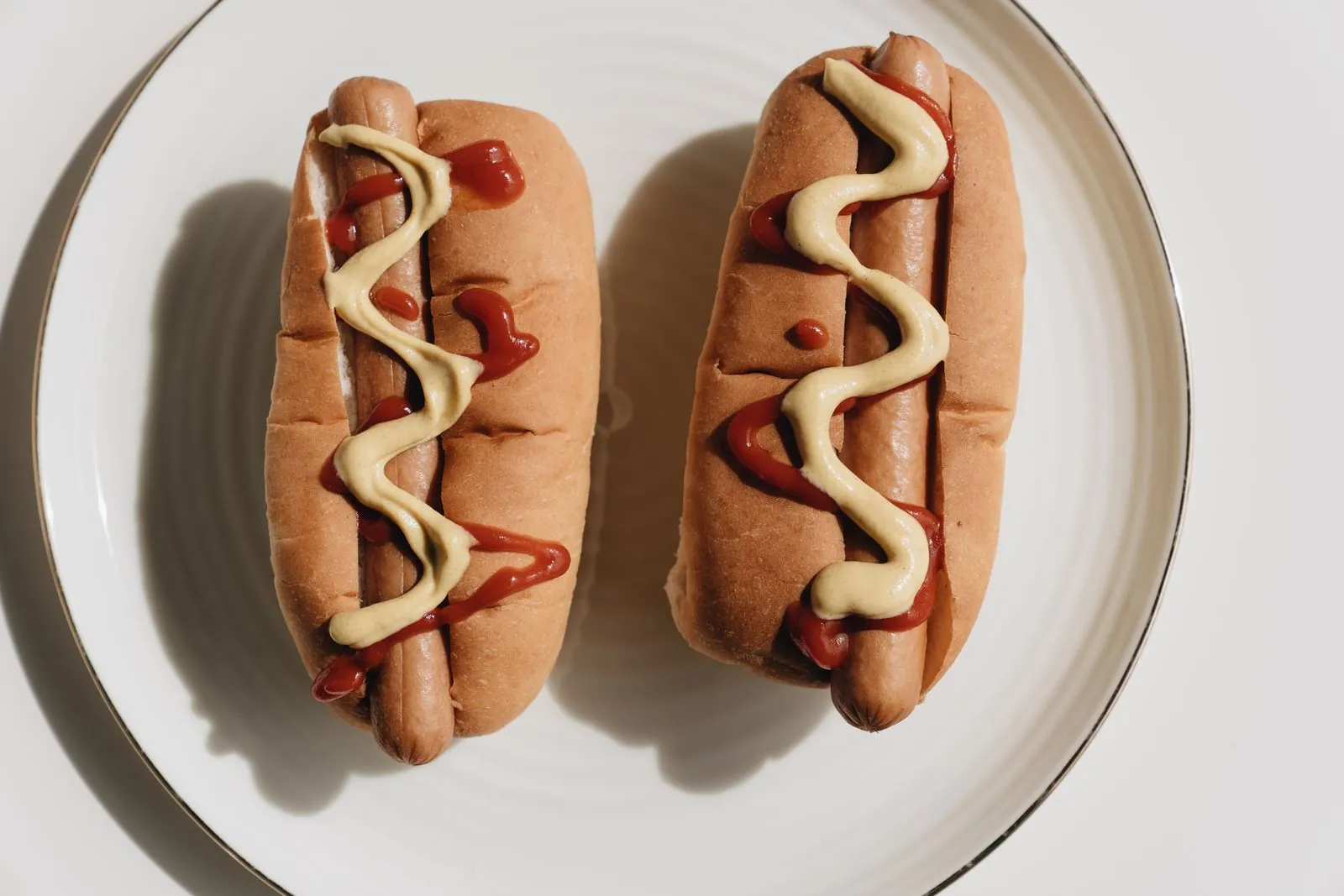
Before you scroll through the photos on this page, it is worth being upfront about what they are. Every image here is a stock photograph chosen to illustrate the diner style in general, not an archival photo of Soda Rock Diner or any other specific restaurant on Chapel Street. If you are looking for genuine historical photos of the diner itself, this is not the place, and we have not presented these images as anything other than illustrative.
Why diner interiors look the way they do
The interior style most people associate with American diners, chrome trim, vinyl booths, checkerboard floors and bright neon, largely dates from the mid twentieth century, when prefabricated diner builders competed on how eye catching they could make a roadside restaurant look to passing traffic. Stainless steel and chrome were practical as well as decorative, since they were easy to wipe down and held up well under constant use. Booths along the windows gave groups somewhere to sit together, while a long counter with stools let solo diners eat quickly without needing a full table. That mix of counter and booth seating is still the clearest visual signal that a restaurant is working in the diner tradition rather than just borrowing the colour scheme.
Jukeboxes and the diner soundtrack
A jukebox in the corner is one of the most recognisable props associated with 1950s diners, even though plenty of real diners from the era never had one. Where they were installed, jukeboxes let customers pick songs on the spot for a coin, usually loaded with rock and roll, doo wop and early rhythm and blues singles, which is why that music is now so tightly associated with the diner aesthetic in films and photography. A working jukebox is less common in modern diner style restaurants, but the look of one, chrome trim, glowing panels and a curved top, still shows up constantly in diner themed decor and photography, including some of the images on this page.
Food styling in diner photography
Burgers, fries and milkshakes photograph well because of the strong colours and textures involved, melted cheese, a toasted bun, a tall glass with condensation on the outside, and that is a large part of why diner food is so heavily represented in stock photography and advertising compared with other casual dining styles. If you want to read about these dishes properly rather than just look at pictures of them, our menu guide is the better starting point, with dedicated detail pages on burgers and other categories linked from there.
What you will see in this gallery
The images on this page are grouped loosely around interiors, food and drink, and small details like signage and booth seating, giving you a general sense of the look before you read further into the site. None of them are tied to a specific address, date or event, and none should be read as a record of what any particular diner in Melbourne, including Soda Rock Diner, actually looked like inside. For the documented, source based history of that specific building, our about page is where to go instead.
Seeing the style in person
If the photos here make you want to see a real diner interior rather than a stock image of one, the most reliable option in Melbourne is usually a themed event rather than a permanent restaurant, since purpose built retro diners are less common locally than diner style cafes that borrow only some of the look. If you are planning a birthday or group celebration with this kind of styling in mind, our 1950s party guide covers decorations, music and dress code without involving any venue booking on our part, and it is a more useful starting point than a page of stock photography if you actually need to plan something.