Nearly every American diner menu is built around a burger, but "burger" actually covers several distinct styles rather than one standard dish. This page looks at the classic diner burger and the newer smash burger, how each one is made, and what separates a simple cheeseburger from the fuller builds you will see on most menus.
The classic diner burger
A classic diner burger starts with a hand formed patty, usually thicker than a smash burger, grilled on both sides rather than pressed flat. The aim is a patty that is browned on the outside but still juicy through the middle, served on a soft bun with lettuce, tomato, pickles and onion, plus a sauce that is often a variation on mayonnaise and ketchup. Cheese, almost always a processed American style slice, is treated as close to standard rather than an upgrade, which is why "cheeseburger" and "burger" are often used almost interchangeably on diner menus.
Where the smash burger came from
The smash burger uses a different technique: a ball of loosely packed mince is pressed hard onto a very hot flat grill with a spatula, spreading it thin and maximising the browned crust that forms through the Maillard reaction, the same chemical process responsible for the crust on a seared steak. Food historians trace thin, griddle pressed patties back to early twentieth century fairs and factory canteens, where speed mattered more than thickness, and some accounts link an early version of the technique to the Oklahoma onion burger of the 1930s, where cheap sliced onion was pressed into the meat as it cooked. A commonly repeated story places a more direct ancestor of the modern smash burger at a Dairy Cheer restaurant in Ashland, Kentucky, sometime around the 1960s, though sources differ on the exact year and on which staff member is responsible for it. What is clear is that the technique was revived and popularised at a larger scale from 2007 onward by the Smashburger chain, founded by restaurant industry veterans Rick Schaden and Tom Ryan, who did not invent the style but are widely credited with giving the flattened patty its modern name and bringing it back into the mainstream.
Smash burger versus classic burger
The two styles solve different problems. A classic, thicker patty gives you more of an even, meaty bite but is harder to cook through without drying out the surface or undercooking the centre. A smash patty trades some of that thickness for a higher ratio of browned crust to interior, cooks in well under a minute per side because it is so thin, and is usually served in a smaller stack of two or more patties rather than one larger one, so you still end up with a substantial burger. Neither style is strictly better, and plenty of diners now offer both, which is part of why it is worth knowing the difference before you order.
Cheeseburgers and toppings
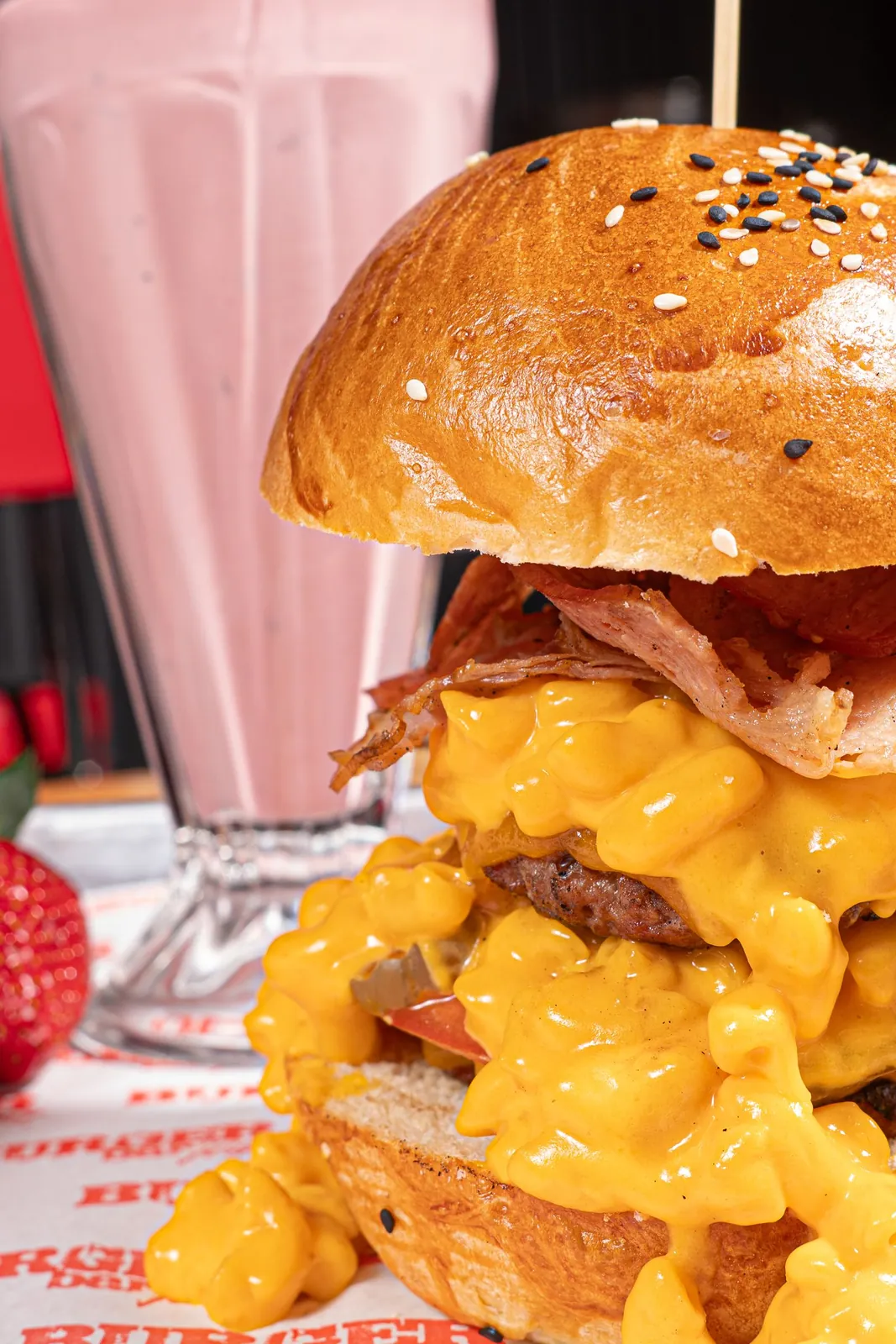
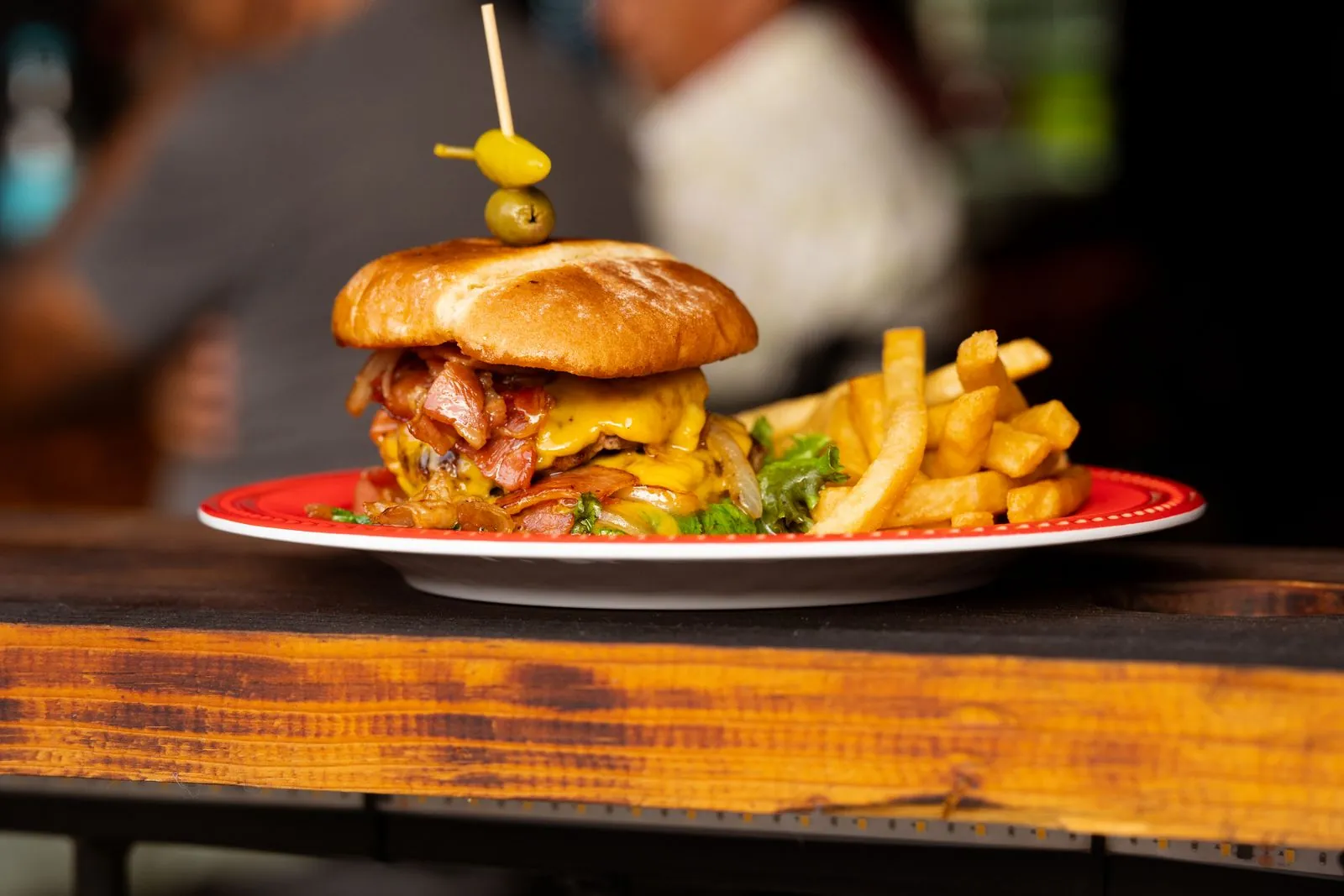
Beyond the base patty, most of the variation between diner burgers comes down to toppings and sauce rather than the meat itself. Bacon, fried egg, extra cheese and caramelised onion are the most common add ons across menus of this style, and a "deluxe" or "works" burger on a diner menu usually signals most or all of these stacked onto the base build. Bun choice also varies more than people expect: a soft white bun is standard, but brioche, which is softer and slightly sweet from the butter and egg in the dough, has become a common upgrade over the last decade or so, including outside the United States.
How this fits the rest of the menu
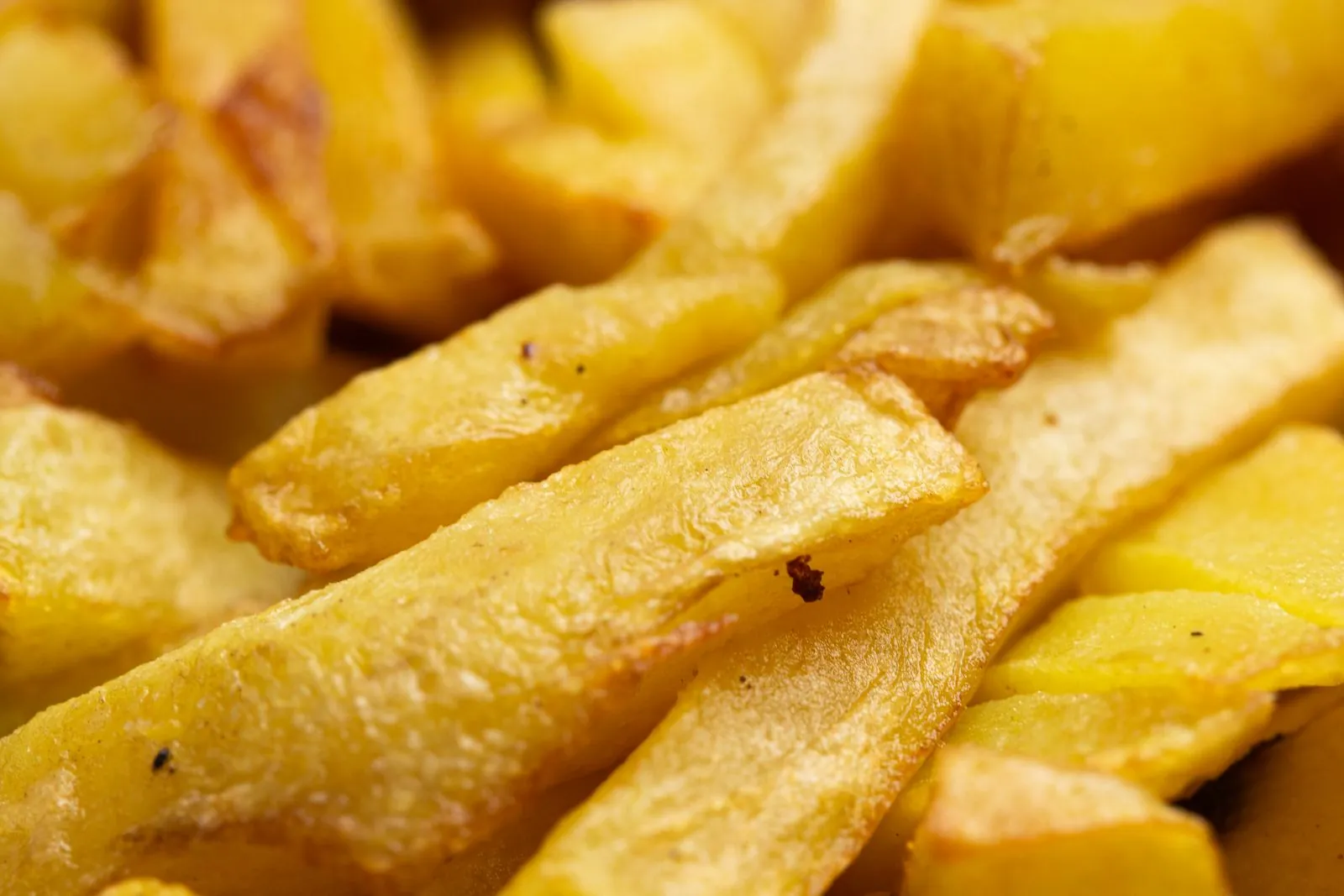
If you want to compare the burger against the rest of what a diner typically offers, our menu guide covers how burgers sit alongside hot dogs, sandwiches and other mains. Fries are the near universal side for a burger, and our fries guide covers the different cuts and toppings you might be offered alongside one. If you are deciding between ordering a burger on its own or as part of a set meal, our combos guide explains how combo meals and the older blue plate special format typically bundle a main with a side and a drink.
A note on sourcing
The history of the smash burger in particular is contested, with several competing origin stories and no single agreed inventor or date, so we have presented it here with the caveats the available sources themselves carry rather than picking one version as definitive.