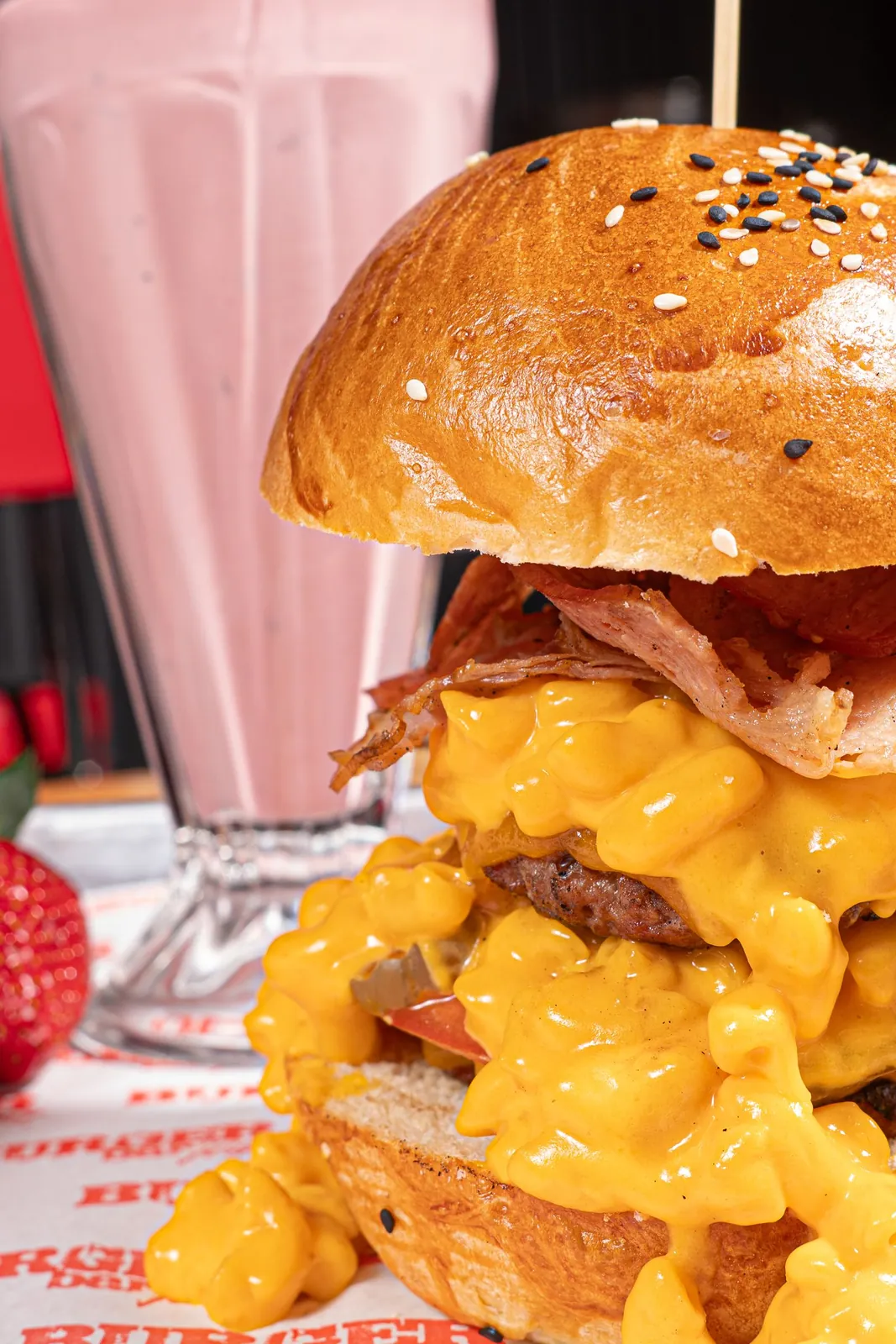
American diner desserts tend to favour size and contrast over subtlety. A banana split stacks three flavours of ice cream against warm fruit, a sundae pours hot sauce over cold scoops, and a slice of pie leans on fruit that has been doing this job since long before diners existed. None of it is delicate, and that is rather the point.
Banana split: a contested but well-dated dessert
Most dessert historians credit pharmacist David "Doc" Strickler of Latrobe, Pennsylvania, with a 1904 recipe that split a banana lengthwise, lined the two halves with three scoops of ice cream, usually vanilla, chocolate and strawberry, and topped the whole thing with sauces, whipped cream, nuts and a cherry. A competing claim comes from Wilmington, Ohio, where restaurant owner David Hazard is said to have created his own version around 1907 after running a contest to draw in university students. Boston has its own 1905 claim too, recorded in an industry trade publication of the time. Whichever town gets credit, the format settled fast and has barely changed in over a century: three scoops, one split banana, and as many toppings as the kitchen is willing to pile on.
Hot fudge sundae: solving a Sunday problem
The sundae as a category exists partly because of a quirk of local law: in parts of the United States around the turn of the twentieth century, some towns restricted the sale of soda on Sundays, so soda fountains began serving ice cream with syrup instead of soda water to get around the rule, and the "sundae" name stuck. The hot fudge version, built on a thick, pourable chocolate sauce rather than a thin syrup, is generally placed around the same period and the same soda fountain culture, and it remains the sundae most people picture first: vanilla ice cream, hot fudge poured over the top so it firms slightly against the cold scoop, whipped cream and a cherry to finish.
Cherry pie: the diner dessert case
Fruit pie predates the American diner by centuries, but the diner is where cherry pie became a specific, recognisable order: a lattice or full top crust, a filling held together with just enough thickener to slice cleanly, and a slice big enough to share if you wanted to. It is usually served slightly warm, sometimes with a scoop of vanilla ice cream on the side, which is less a rule than a habit that stuck because the warm filling and cold ice cream work well together.
Brownies: the simplest thing on the list
Brownies round out most diner dessert boards for a practical reason: they travel and hold well, they are easy to portion, and they pair with almost anything else on the menu, including a scoop of ice cream or a drizzle of the same hot fudge used on the sundae.
Pairing dessert with a drink
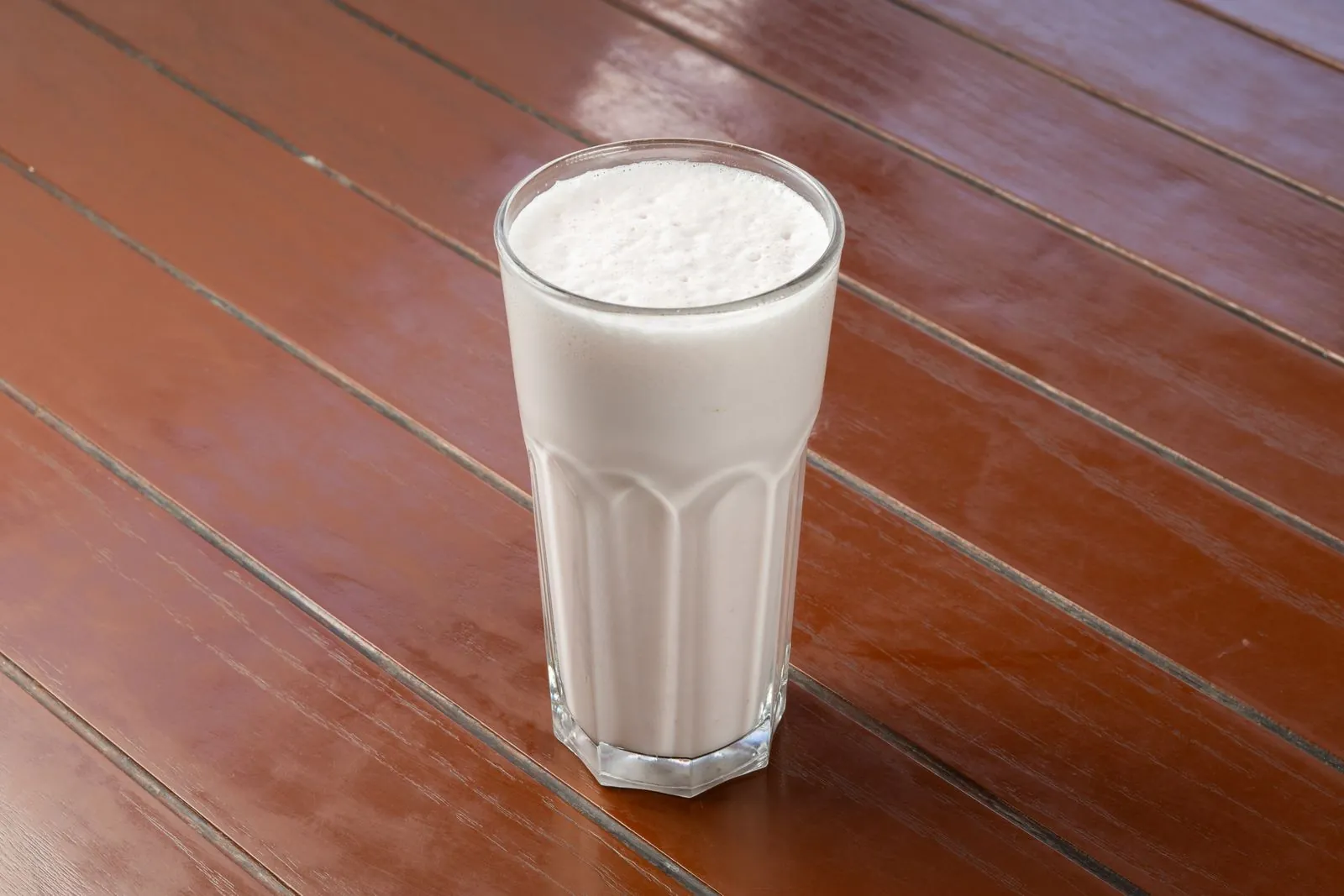
Most of these desserts are built to go with something cold to drink rather than coffee, which is why the dessert section of a diner menu sits so close to the drinks menu in practice. A banana split or a slice of pie next to a proper milkshake is a fairly standard diner pairing, and once you have been through the full menu guide, dessert is usually the easiest decision left to make.