A diner sandwich menu looks simple at first glance, but each entry carries decades of short-order habit behind it. Bread, a hot griddle and a handful of fillings turn into the BLT, the grilled cheese, the club and the steak sandwich, four dishes that still anchor the sandwich section of almost every American diner menu you will find today.
The BLT: a lunch counter staple
Bacon, lettuce and tomato between two slices of toast sounds almost too plain to earn a permanent spot on a menu, yet the BLT has done exactly that for most of the twentieth century. Food historians trace its roots back to the club sandwich family, since early club sandwiches already paired bacon with lettuce and tomato on toasted bread. Once lunch counters started serving a stripped-down version without the extra layer of chicken or turkey, the BLT became its own dish, prized for being quick to make and easy to eat standing at a counter. The crunch of the bacon against the cool lettuce and the acidity of the tomato is really the whole point, so diners that get the ratio wrong (soggy bread, underseasoned tomato) lose the dish fast.
Grilled cheese: the diner's simplest comfort food
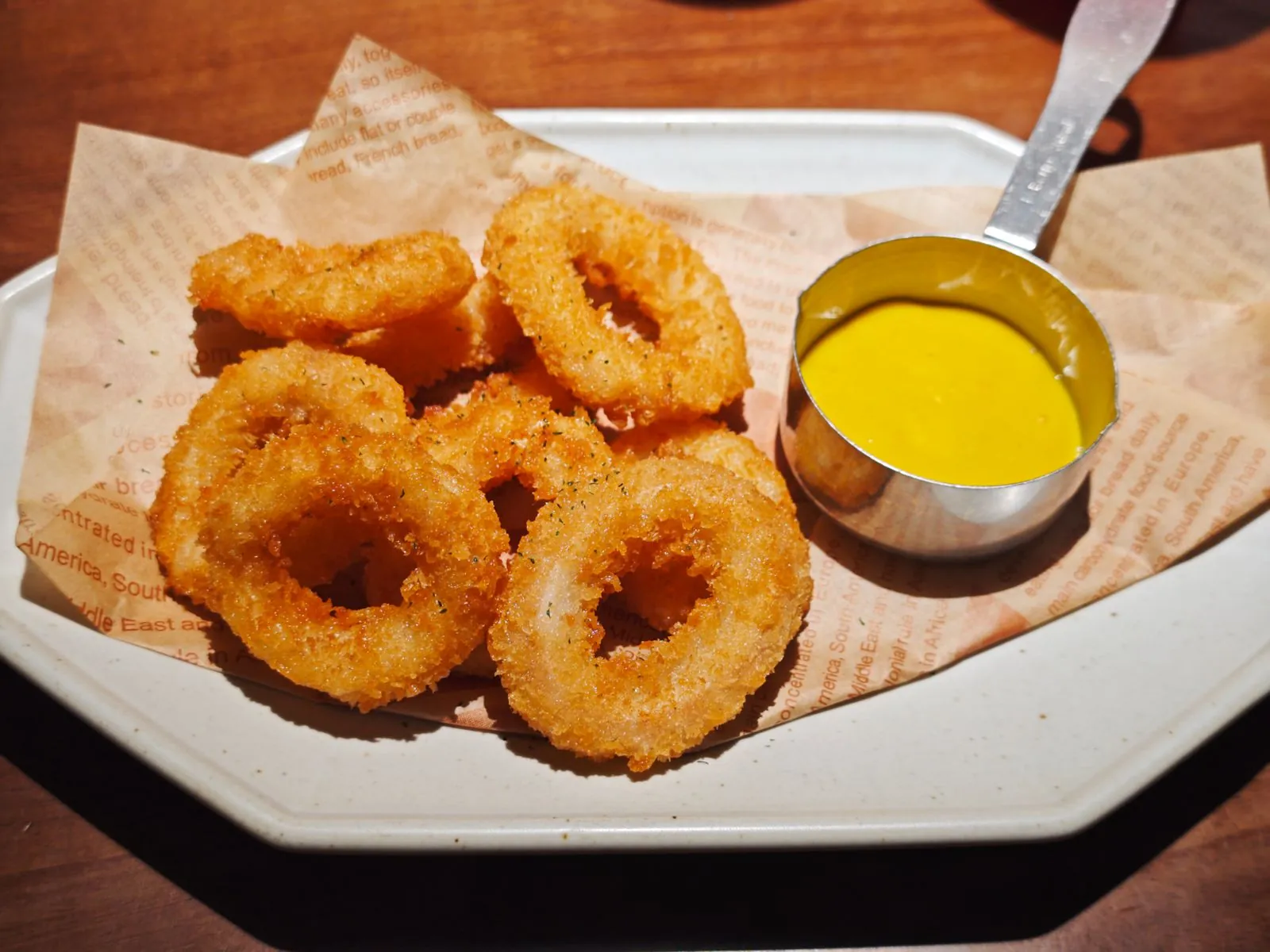
Grilled cheese is older than most people assume. Open-faced cheese toasts show up in American cookbooks from the 1920s, and the dish only became a true sandwich, with a second slice of bread on top, once sliced bread and affordable processed cheese became widely available in the 1930s. By the 1950s it was a fixture on diner menus everywhere, partly because it is cheap, forgiving and quick on a griddle. A proper diner grilled cheese is built on the hot flat-top rather than a sandwich press, which is why the outside turns an even, slightly crisp golden brown while the inside stays pulled and melted. It pairs naturally with a bowl of soup, a side of fries, or the kind of small sides and nibbles that round out a light lunch.
The club sandwich: three decks of debated history
Nobody can say for certain where the club sandwich began. The earliest clear reference dates to 1889, when a New York newspaper mentioned a "Union Club sandwich", a simpler dish than today's version, built from two slices of toasted bread with turkey or chicken and ham between them. The Saratoga Club House in upstate New York also claims the dish, and the name itself might come from exclusive social clubs of the era or from the "club cars" of early passenger trains, where a similar sandwich reportedly appeared on the menu. Whatever its exact origin, the stacked, three-slice version familiar today, usually turkey or chicken, bacon, lettuce, tomato and mayonnaise between three pieces of toast, had settled into its modern shape by the 1900s and has barely changed since.
Steak sandwich: the heartier option
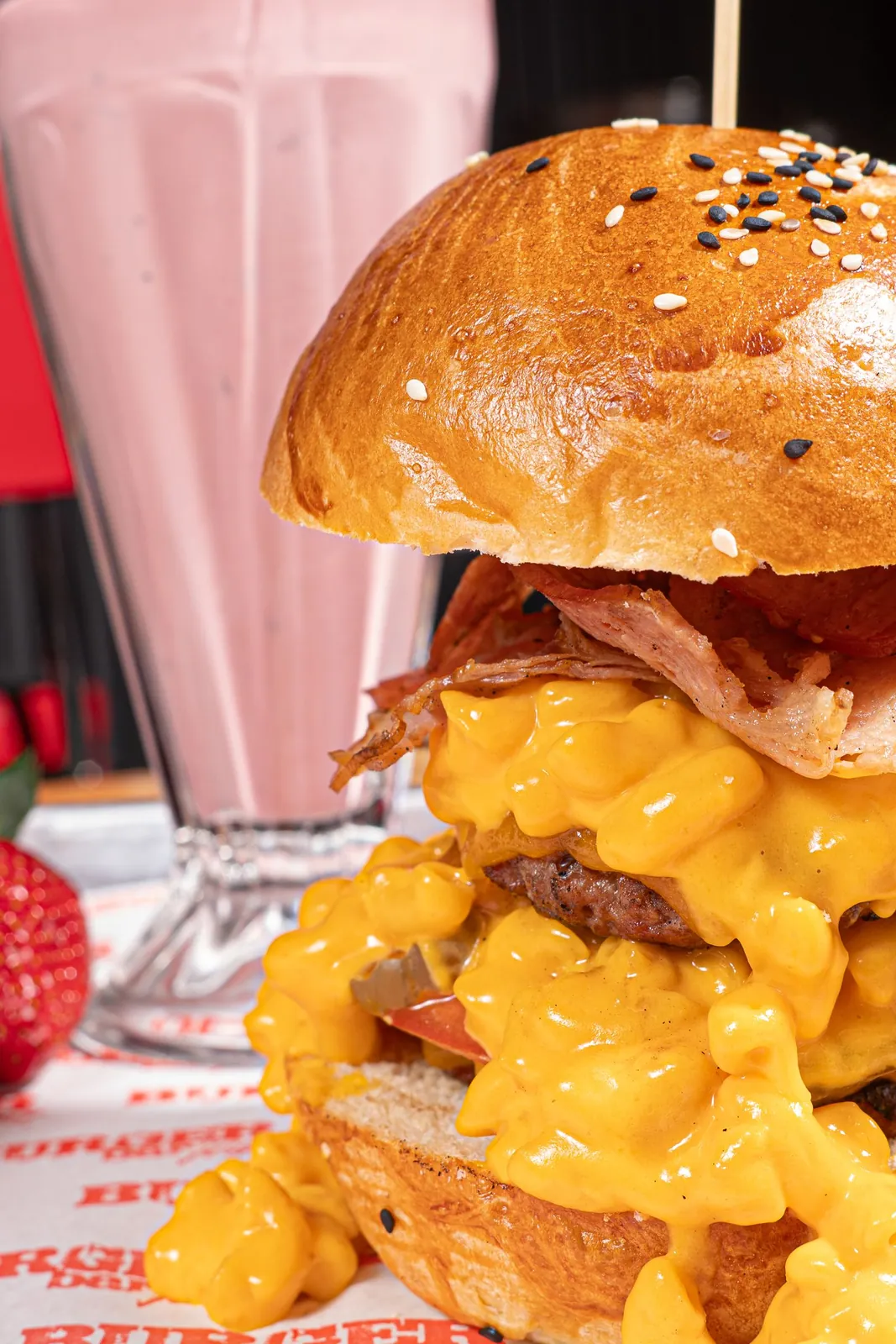
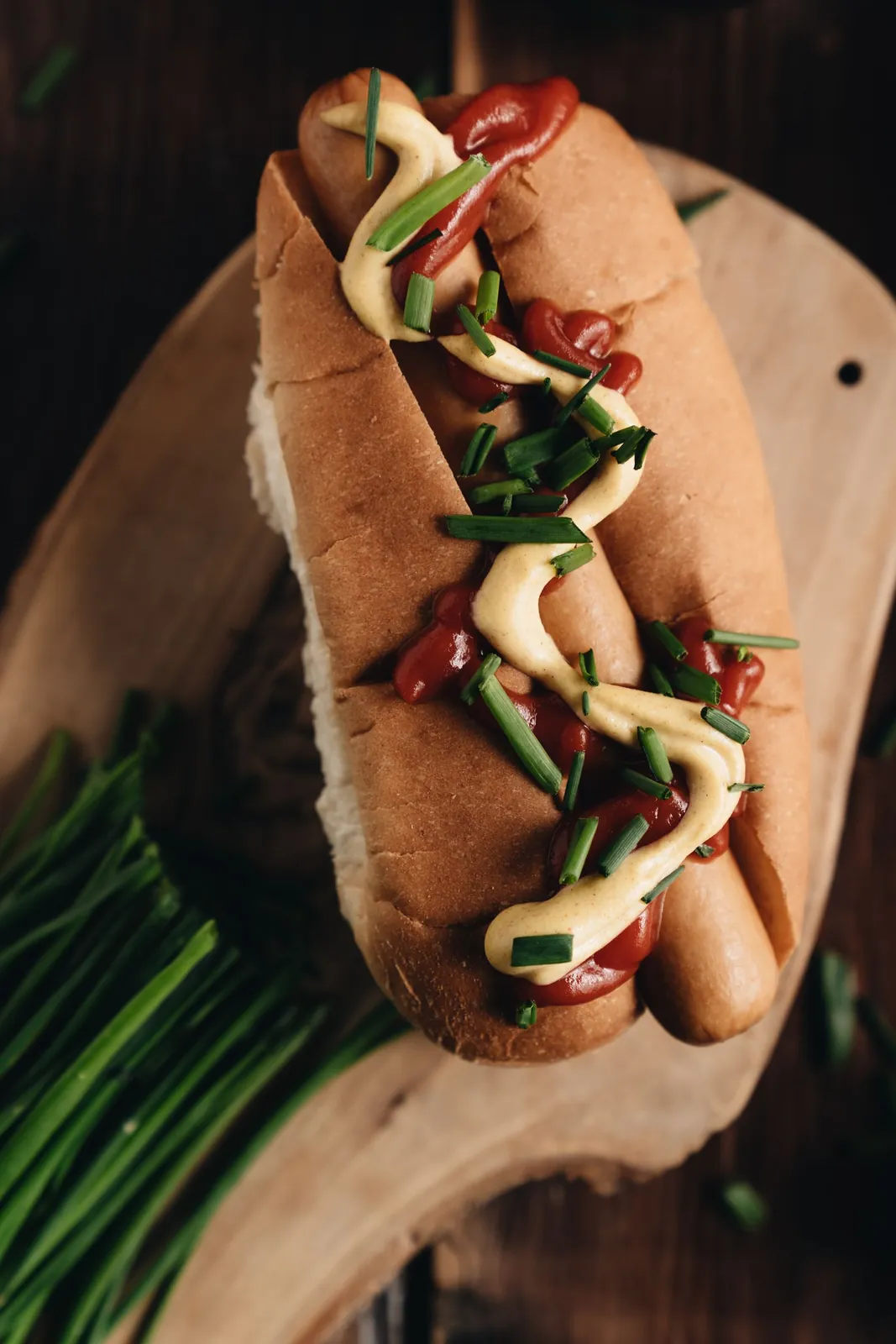
When a griddled bread sandwich is not quite enough, the steak sandwich steps in. Diners vary a lot here: some grill a thin minute steak and serve it open on a single slice of toast with gravy, others build it closer to a steak sub, piled with onions and melted cheese inside a long roll. Either way, it sits at the heavier end of the sandwich board, closer in spirit to a hot dog or a burger than to the light lunch-counter BLT, and it is usually the sandwich people order when fries are already part of the plan rather than an afterthought.
Reading a diner sandwich menu
A few habits make ordering easier. "Toasted" or "grilled" tells you the bread hits the flat-top before anything else happens. "Club" almost always means three slices of bread stacked twice, cut into quarters and held with toothpicks. "Open" or "open-faced" means one slice of bread, the filling on top, and usually a knife and fork required. None of this is complicated once you know the shorthand, and it is the same shorthand that has carried diner sandwiches from lunch counters in the 1920s to the versions served today.